How to Calculate the Real ROI of YouTube Ad Spend
Most creators measure ad ROI wrong. Here's a framework that accounts for subscriber lifetime value, organic amplification, and the metrics that actually matter.

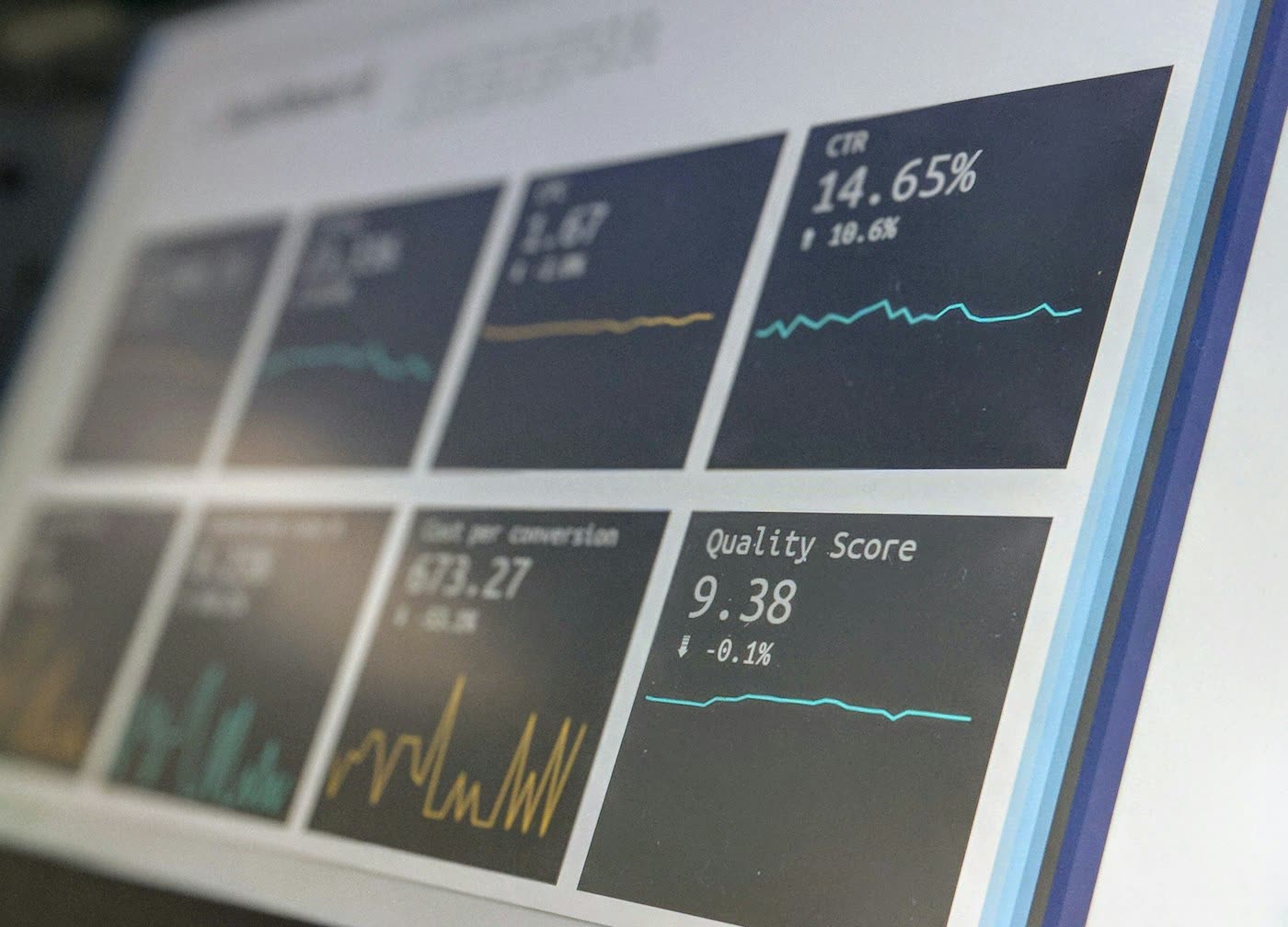
You spent $100 promoting a YouTube video. You got 5,000 views. Was it worth it? Most creators answer this question with simple math: $100 ÷ 5,000 = $0.02 per view. If that feels cheap, they call it a win. If it feels expensive, they stop.
This is the wrong way to measure ROI — and it's costing creators thousands of dollars in growth they'll never realise.
The Problem with Cost-Per-View
Cost-per-view (CPV) only measures the direct transaction: dollars in, views out. But YouTube isn't a vending machine. A view from a targeted ad can trigger a chain reaction that's worth 10–50x the initial spend:
- The viewer watches 70% of your video → YouTube's algorithm flags your content as high-retention
- The viewer subscribes → every future video you publish gets one more guaranteed impression
- The viewer watches three more videos in the same session → your channel's session watch time increases
- YouTube starts recommending your content to similar viewers → organic views multiply
None of this shows up in a simple CPV calculation.
The Compound ROI Framework
Here's a more accurate framework for measuring the return on YouTube ad spend:
Layer 1: Direct Value This is your CPV — the immediate views you received. At Google Ads' typical range of $0.01–$0.04 per view, a $100 campaign delivers 2,500–10,000 views. This is the baseline.
Layer 2: Subscriber Value Track how many subscribers you gained during the campaign period. A healthy conversion rate from paid views to subscribers is 1–3%. On 5,000 views, that's 50–150 new subscribers.
Now calculate what a subscriber is worth. If you're monetised, check your RPM (revenue per 1,000 views) and average views per video. A channel with $5 RPM that publishes weekly and gets 2,000 views per video earns roughly $0.52 per subscriber per year. Those 100 new subscribers are worth $52/year — and they compound as your library grows.
Layer 3: Organic Amplification This is where most creators undercount. After a paid campaign ends, check your organic impressions over the following 2–4 weeks. If your campaign seeded the algorithm with strong retention signals, you'll see a measurable lift in organic recommendations.
To isolate this effect: compare your average organic impressions per video for the 30 days before the campaign versus the 30 days after. The delta, multiplied by your organic CPM, is the amplification value.
Layer 4: Library Effect Every new subscriber doesn't just watch your next video — they have access to your entire back catalogue. Channels with 50+ videos see a measurable bump in catalogue views when subscriber count increases. This is passive income generated by videos you've already made.
A Worked Example
Let's say you run a $200 Google Ads campaign:
| Metric | Value | |--------|-------| | Direct views | 8,000 | | CPV | $0.025 | | Subscribers gained | 120 | | Subscriber annual value | $0.52 | | Annual subscriber revenue | $62.40 | | Organic impression lift (30 days) | 15,000 | | Organic CPM | $4.00 | | Amplification value | $60.00 | | Catalogue view bump | ~$25.00 |
Total first-year value: $200 (direct) + $62.40 (subscribers) + $60 (amplification) + $25 (catalogue) = $347.40 from a $200 spend.
And the subscriber value recurs every year for as long as those subscribers remain active.
When Ad Spend Doesn't Pay Off
Not every campaign is profitable. Here are the red flags:
- Retention under 30%. If paid viewers are bouncing immediately, you're paying for views that actively harm your algorithm standing. Fix the content before spending more.
- Subscriber conversion under 0.5%. This means your targeting is off — you're reaching people who aren't interested in your niche. Narrow your audience.
- No organic lift after 2 weeks. If the algorithm doesn't respond to the engagement signals, your content may not be competitive in your niche yet.
How to Track This in Practice
- Before launching a campaign, screenshot your YouTube Studio analytics: subscriber count, average organic impressions per video, and catalogue daily views.
- Run the campaign for its full duration.
- Wait 14 days after the campaign ends.
- Compare all metrics to your pre-campaign baseline.
- Use the framework above to calculate compound ROI.
If the compound ROI exceeds 1.5x your spend, scale up. If it's below 1x, fix your content or targeting before running another campaign.
The Real Insight
YouTube ad spend isn't an expense — it's an investment in your channel's algorithm standing. Every dollar you spend on targeted, real-viewer promotion compounds through subscribers, organic amplification, and catalogue views. The creators who understand this reinvest consistently and grow exponentially. The ones who only look at CPV quit too early.
Frequently Asked Questions
Go beyond cost-per-view. Layer in subscriber value (1–3% of paid viewers subscribe, each worth recurring annual revenue), organic amplification (impressions lift 15–40% in the weeks after a campaign), and catalogue view bumps. A $200 campaign delivering 8,000 views can generate $300+ in first-year compound value when all layers are counted.
For Google Ads Demand Gen campaigns, $0.01–$0.04 per view is the typical healthy range. Costs vary by niche, targeting specificity, and competition. Finance and B2B niches trend higher; entertainment and gaming trend lower. Optimise for retention quality, not the lowest CPV.
A healthy conversion rate from paid views to subscribers is 1–3%. A campaign delivering 5,000 targeted views should yield 50–150 new subscribers. If you see under 0.5%, your targeting is off — viewers are not interested enough in your niche to commit.
Three red flags: average viewer retention under 30% (you are paying for views that harm your algorithm standing), subscriber conversion below 0.5% (wrong audience targeting), or no measurable organic impression lift within two weeks of the campaign ending (the algorithm is not responding to the engagement signals).
Vedansh Chauhan
Vedansh is the founder of Zoupyu, a tool that turns long videos into viral Hinglish Shorts. He writes about YouTube growth, the creator economy, and what actually works on the algorithm.
Turn your long videos into viral Shorts
Upload once, get 5–10 ready-to-post clips with Hinglish subtitles in minutes.